
Welcome to the
Department of Prehistoric and Historical Archaeology
The Department of Prehistoric and Historical Archaeology is one of the cradles of European Prehistory. The founder of the Department, Moritz Hoernes, was the first university-level instructor in Europe to receive teaching credentials (venis docendi) in “Prehistorical Archaeology” in 1892. Today, the Department is one of the largest of its kind in the German-speaking area. From the first “teaching apparatus” an extensive study collection quickly developed, out of which grew the “Prehistoric Institute” in 1917 and later the “Prehistoric Department”. After the Second World War, the field opened to encompass protohistoric archaeology, which led in 1963 to the department being renamed as the “Department of Prehistoric and Protohistoric Archaeology”.
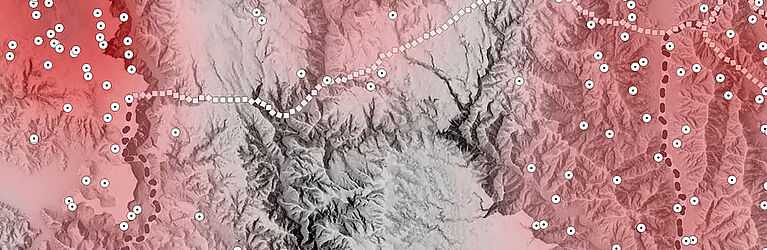
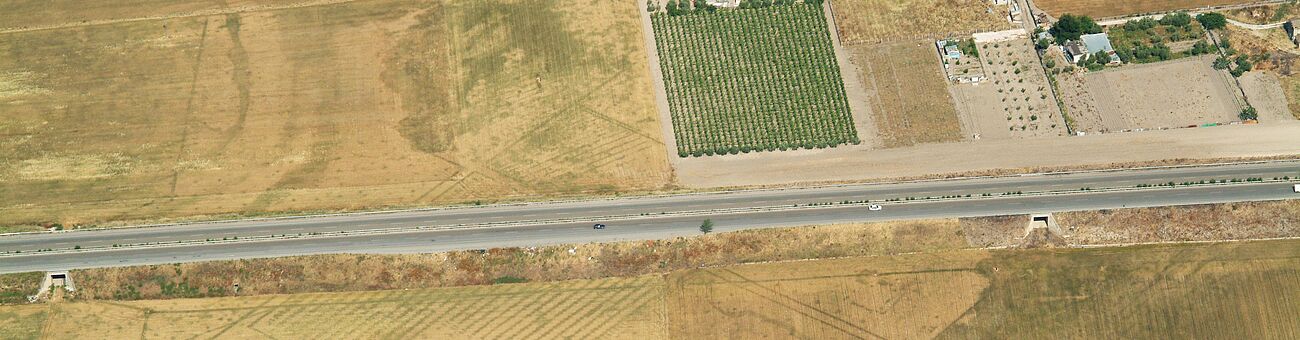
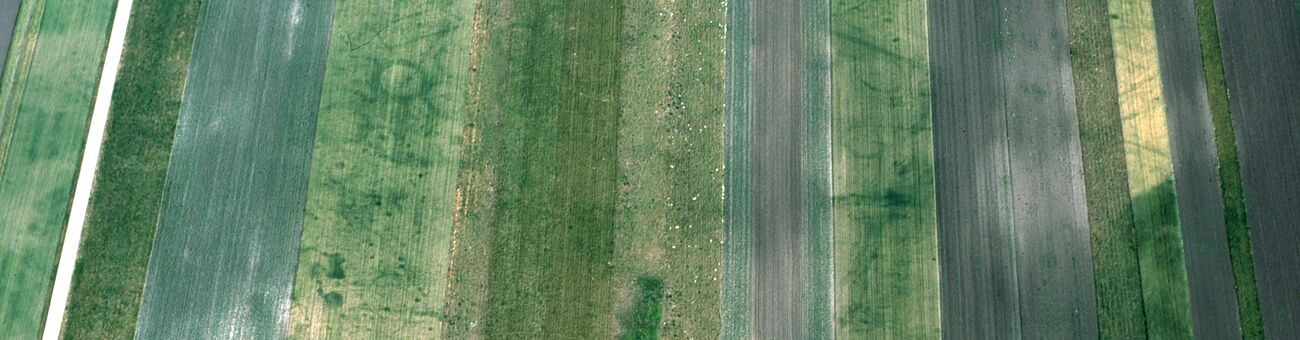
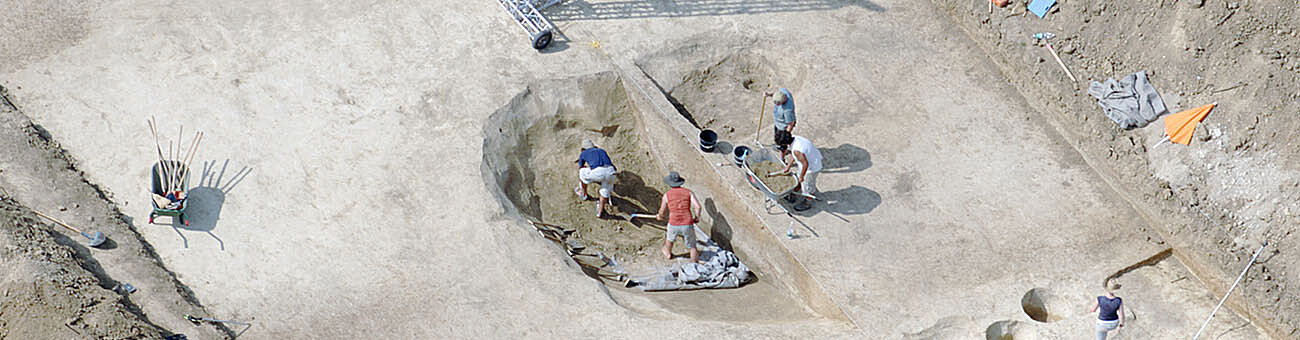
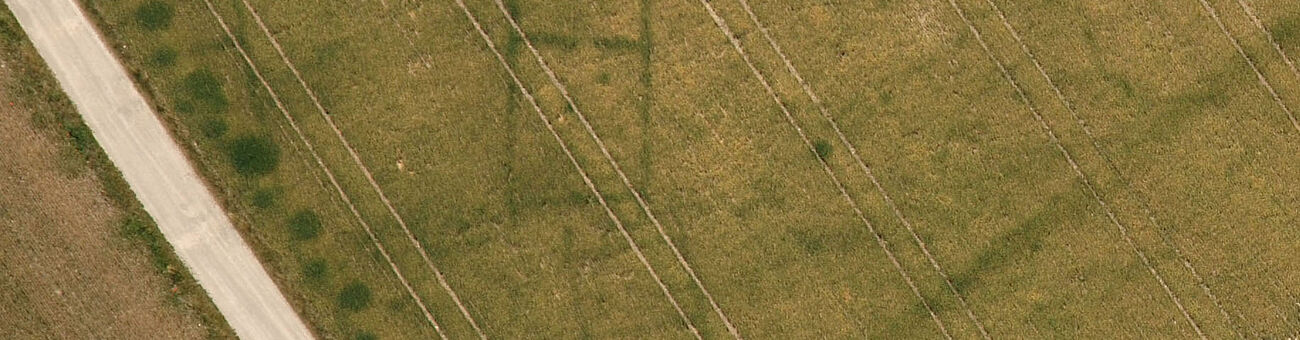
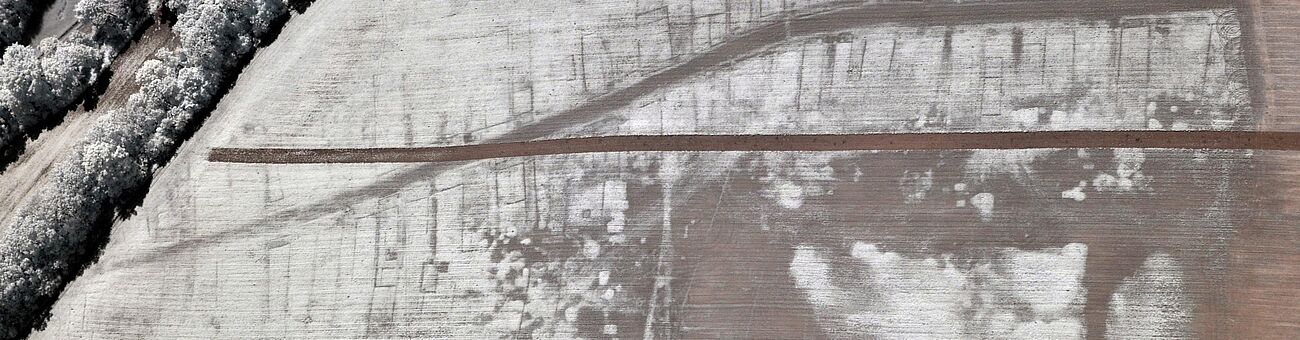
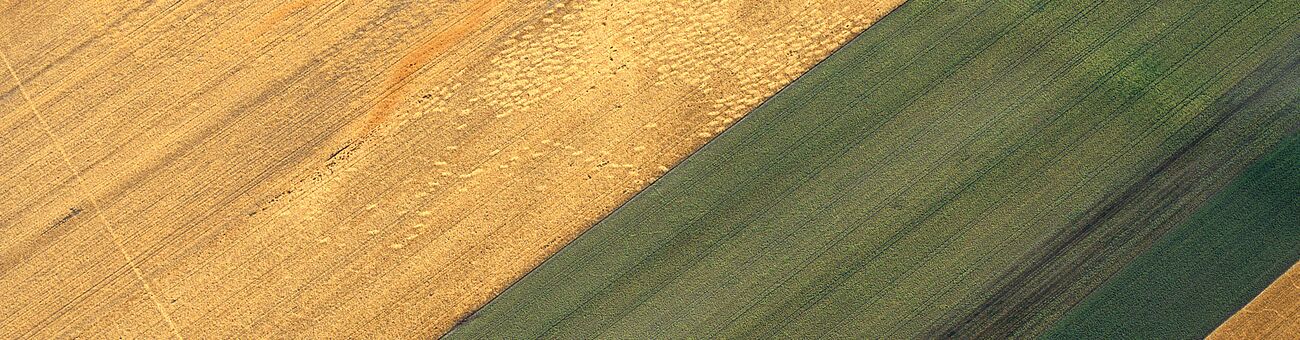
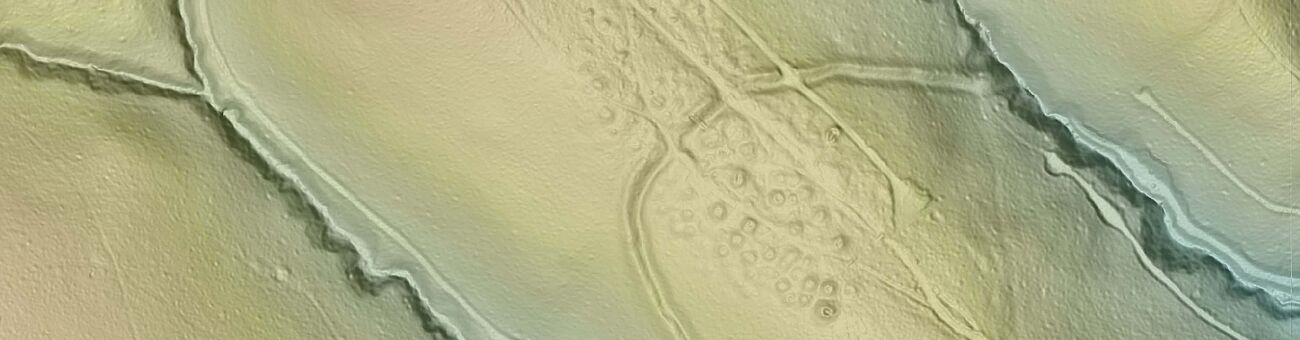
New research fields have developed since the 1970s with ground-breaking studies in aerial archaeology and landscape archaeology. Since the 1990s the discipline has expanded to include later historical periods, which today reach up to the contemporary.
The key research focuses of the scientific members of the Department cover a broad range; at the fore stand cultural-antropological, economic-historical and socio-historical aspects as well as making material sources accessible and interpreting them in line with Material Cultural Studies. With these focuses, research and teaching to all epochs of human history from the Palaeolithic to modern times can be covered. Further key areas include landscape archaeology, prospecting and interdisciplinary undertakings in the natural sciences.
The new name “Department of Prehistoric and Historical Archaeology” privileges a designation found in the international scientific community both conceptually and pragmatically (prehistory and early history, medieval archaeology, modern archaeology). The term “historical archaeology” emphasizes the complementary analysis of objects, texts and images from epochs with a dense transmission.
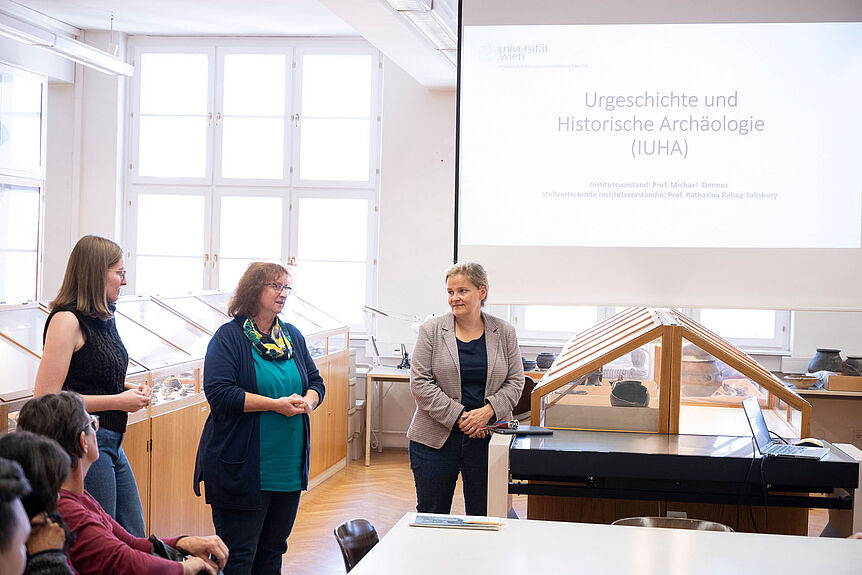
In addition to the extensive study collection and a state-of-the-art archive of aerial images, the Department also has a restoration workshop and an x-ray and photo lab. Furthermore, the Department houses a comprehensive specialized library.
Research tasks
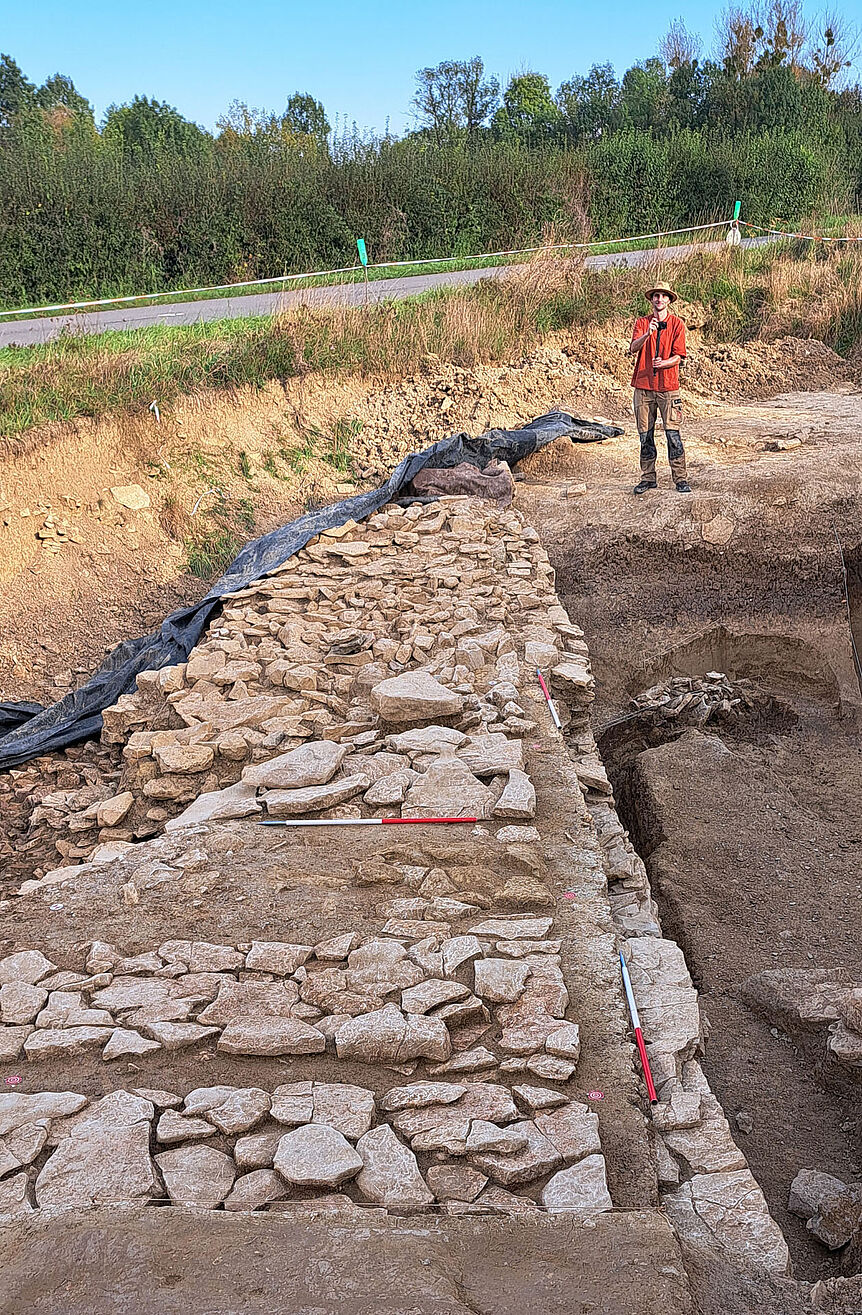
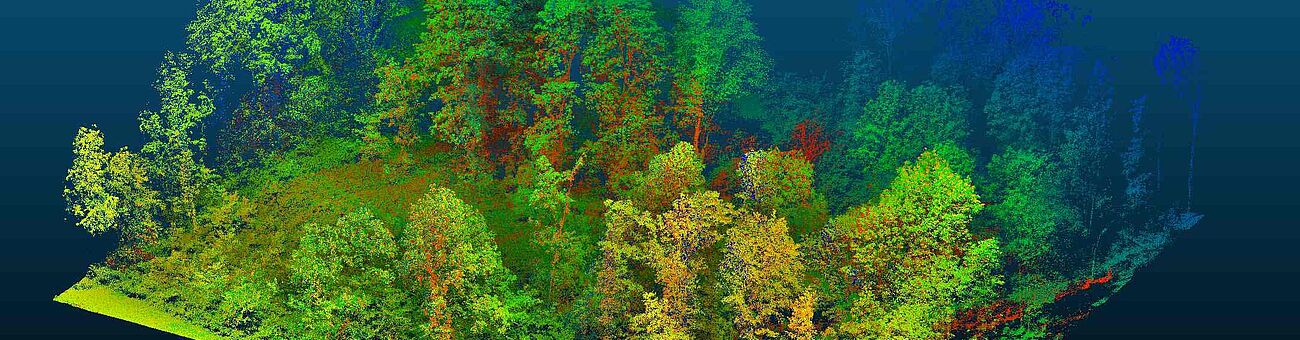
Within the context of the historical sciences, our research centers on the entire history of mankind. Specific focus is placed on the development and application of scientific techniques for prospection and documentation (for example, aerial archaeology), methods of archaeological excavation, and theoretical foundations for the interpretation of archaeological sources from the Palaeolithic period to the present. Interdisciplinary research agendas on both a local and international scale constitute the basis for a modern picture of human history, its processes and its structures.
Teaching goals
Studies in prehistory and historical archaeology are practice-oriented and prepare students, according to the primary job profiles, for positions in historical monuments preservation, museums, and research and teaching. The range of courses offered is as broad as possible so that it also opens up opportunities in diverse cultural and scientific outlets, such as electronic media, newspapers, publishing houses, etc. In the vein of an anthropological and (cultural-)historical discipline, studies in prehistory and historical archaeology (early history, medieval archaeology and modern archaeology) convey specialized knowledge and promote understanding of social, ecomonic and cultural-political processes.