
Archäologische Untersuchungen zeigen: Die Menschen in der Altsteinzeit in Europa nutzten vor 45.000 bis 10.000 Jahren das Feuer auf verschiedene Weise. "Beim Feuer ging es nicht nur darum, sich warm zu halten; es war auch für das Kochen, die Herstellung von Werkzeugen und für gesellige Zusammenkünfte unerlässlich", sagt Philip R. Nigst, einer der leitenden Autor*innen und Archäologe an der Universität Wien. Oft wurde also angenommen, dass Feuer für das Überleben der Jäger*innen und Sammler*innen im eiszeitlichen Europa unerlässlich war. Erstaunlicherweise gibt es aber kaum gut erhaltene Belege für die Nutzung von Feuer aus dem kältesten Abschnitt der Eiszeit – also vor 26.500 bis vor 19.000 Jahren – in Europa. "Wir wissen zwar, dass Feuer vor und nach diesem Zeitraum weit verbreitet war, aber es gibt kaum Belege aus der Zeit des Höhepunkts der Eiszeit", schildert William Murphree, Hauptautor der Studie und Geoarchäologe an der Universität der Algarve.
Umso bedeutender ist die aktuelle Studie, denn die Wissenschafter*innen haben drei von ihnen entdeckte Feuerstellen an einer prähistorischen Fundstätte in der Ukraine genau analysiert. Das gelang mithilfe einer Reihe innovativer geoarchäologischer Techniken. Durch mikrostratigraphische Analyse, Mikromorphologie und kolorimetrische Analyse identifizierte das Team drei einfache flache, mit Holz befeuerte Feuerstellen. Ein interessanter Befund daraus: Diese Feuer erreichten Temperaturen von mehr als 600 °C, was eine ausgeklügelte Beherrschung der Pyrotechnik selbst angesichts extremer Umweltbelastungen beweist.
Die Analyse zeigt auch, dass Menschen in der Zeit des Höhepunkts der Eiszeit Holz als Hauptbrennstoff verwendeten, Holzkohleanalysen weisen auf Fichtenholz hin. Aber auch andere Brennstoffe wie Knochen oder Fett könnten verwendet worden sein. "Einige der an der Fundstätte gefundenen Tierknochen wurden in einem Feuer mit einer Temperatur von über 650 Grad Celsius verbrannt. Wir untersuchen derzeit, ob sie als Brennstoff verwendet wurden oder nur versehentlich verbrannt sind", erklärt Marjolein D. Bosch, eine der Autor*innen und Archäozoologin an der Universität Wien, der Österreichischen Akademie der Wissenschaften und dem Naturhistorischen Museum Wien.
Alle drei Feuerstellen sind offene und flache Feuerstellen. Die neuen Ergebnisse deuten aber auf eine ausgeklügelte Nutzung des Feuers hin, denn die Feuerstellen dürften in unterschiedlichen Jahreszeiten gebaut und auch unterschiedlich genutzt worden sein. Eine der drei Feuerstellen ist etwa größer und dicker, hier wurden vermutlich höhere Temperaturen erzielt. "Die Menschen kontrollierten das Feuer perfekt und wussten es auf verschiedene Weise zu nutzen – je nach Zweck des Feuers. Aber unsere Ergebnisse zeigen auch, dass diese Jäger*innen und Sammler*innen während ihrer jährlichen Wanderungen denselben Ort zu verschiedenen Jahreszeiten nutzten", erklärt Nigst.
Trotz dieser neuen Erkenntnisse bleibt die geringe Anzahl an Feuerstellen aus der Zeit des letzten Eiszeitmaximums rätselhaft. "Wurden die meisten Beweise durch das für die Eiszeit typische, wechselnde Auftauen und Zufrieren des Bodens zerstört?", fragt Murphree. "Oder haben die Menschen während des letzten Eiszeitmaximums nicht genug Brennstoff gefunden? Haben sie kein Feuer benutzt, sondern sich stattdessen auf andere technologische Lösungen verlassen?", ergänzt Nigst. Indem sie die Rolle des Feuers in der menschlichen Evolution weiter aufdecken, hoffen die Forscher*innen, Licht in eine der wohl grundlegendsten Technologien zu bringen, die den Erfolg unserer Spezies bei der Besiedlung jedes einzelnen Teils dieses Planeten mitgeprägt hat.
Originalpublikation:
William Chase Murphree, Cruz Ferro‐Vázquez, Larissa Kulakovska, Vitalii I. Usyk, Olesia Kononenko, Marjolein D. Bosch, Paul Haesaerts, Freddy Damblon, Stéphane Pirson, Philip R. Nigst & Vera Aldeias: Fire use during the Last Glacial Maximum: evidence from the Epigravettian at Korman' 9, Middle Dniester Valley, Ukraine. In Geoarchaeology, 40(2), e70006, 2025
DOI: 10.1002/gea.70006
Ausgeklügelte Pyrotechnik in der Eiszeit: So machten Menschen vor zehntausenden Jahren Feuer
14.04.2025
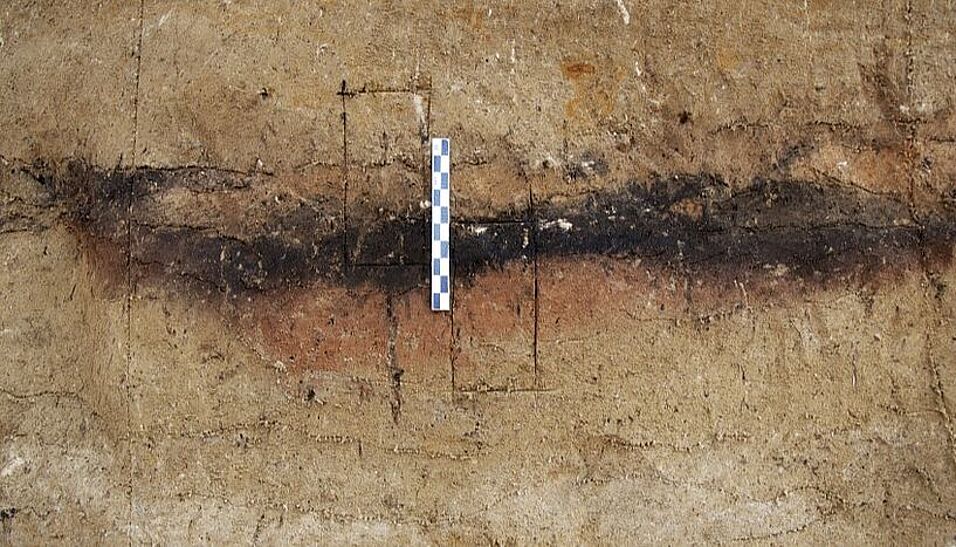
Abb. 1: Profil durch die große Feuerstelle 1. C: Philip R. Nigst.
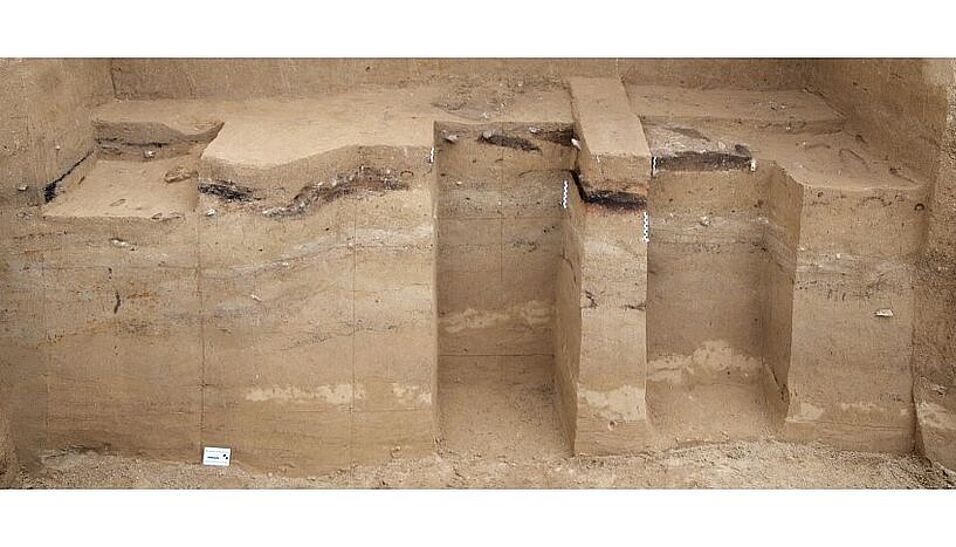
Abb. 2: Die große Feuerstelle während der Ausgrabung. C: Philip R. Nigst.
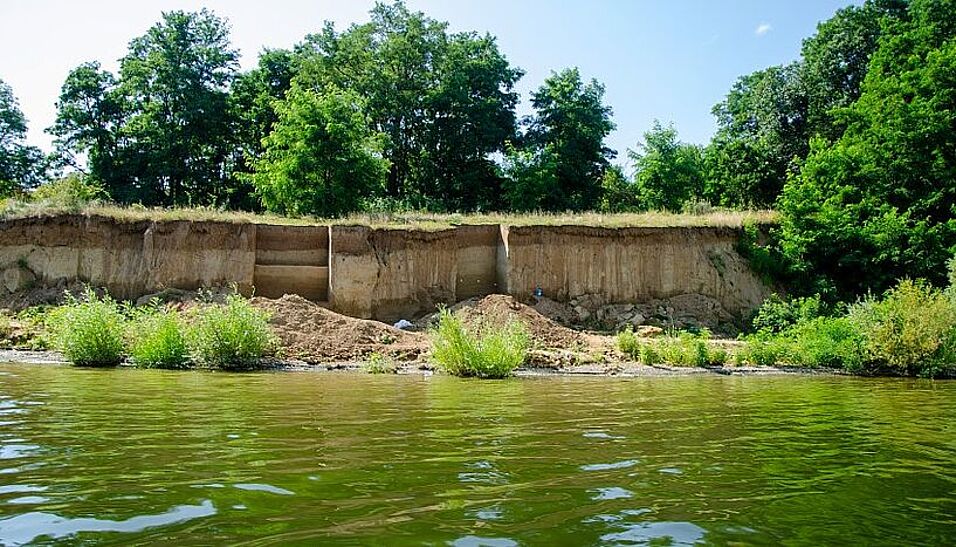
Abb. 3: Ausgrabungsstelle Korman' 9 am Ufer des Flusses Dnister in der Ukraine. C: Philip R. Nigst.

Abb. 4: Die große Feuerstelle 1 unter 2,5 Meter Lößsedimenten. C: Philip R. Nigst.